Recruitment CRM Market Overview
The recruitment industry is evolving rapidly, and with it, the tools and technologies that support recruiters in their quest to find the perfect candidates. Among these tools, Recruitment Customer Relationship Management (CRM) systems have emerged as indispensable assets for agencies looking to streamline their operations, enhance candidate and client engagement, and ultimately improve placement success rates. This article provides an overview of the current Recruitment CRM market, highlighting key trends and the importance of selecting the best Recruitment CRM through services like Rectec Compare.
The Recruitment CRM market is characterised by several key trends that are shaping the way recruitment agencies operate:
Automation and AI Integration: Modern Recruitment CRM systems are increasingly incorporating automation and artificial intelligence (AI) to reduce manual tasks and enhance decision-making processes. Features like automated job matching, candidate ranking, and predictive analytics are becoming standard, enabling recruiters to focus more on strategic activities and relationship building.
Enhanced Candidate Experience: As the competition for top talent intensifies, providing a seamless and engaging candidate experience has become paramount. Recruitment CRMs now offer sophisticated tools for personalised communication, automated follow-ups, and comprehensive candidate profiling. These features ensure that candidates remain engaged and informed throughout the recruitment process.
Data-Driven Recruitment: Leveraging data to drive recruitment strategies is another significant trend. Recruitment CRMs now come equipped with advanced analytics and reporting capabilities that provide insights into sourcing effectiveness, candidate pipeline health, and recruiter performance. These insights are crucial for making informed decisions and optimising recruitment strategies.
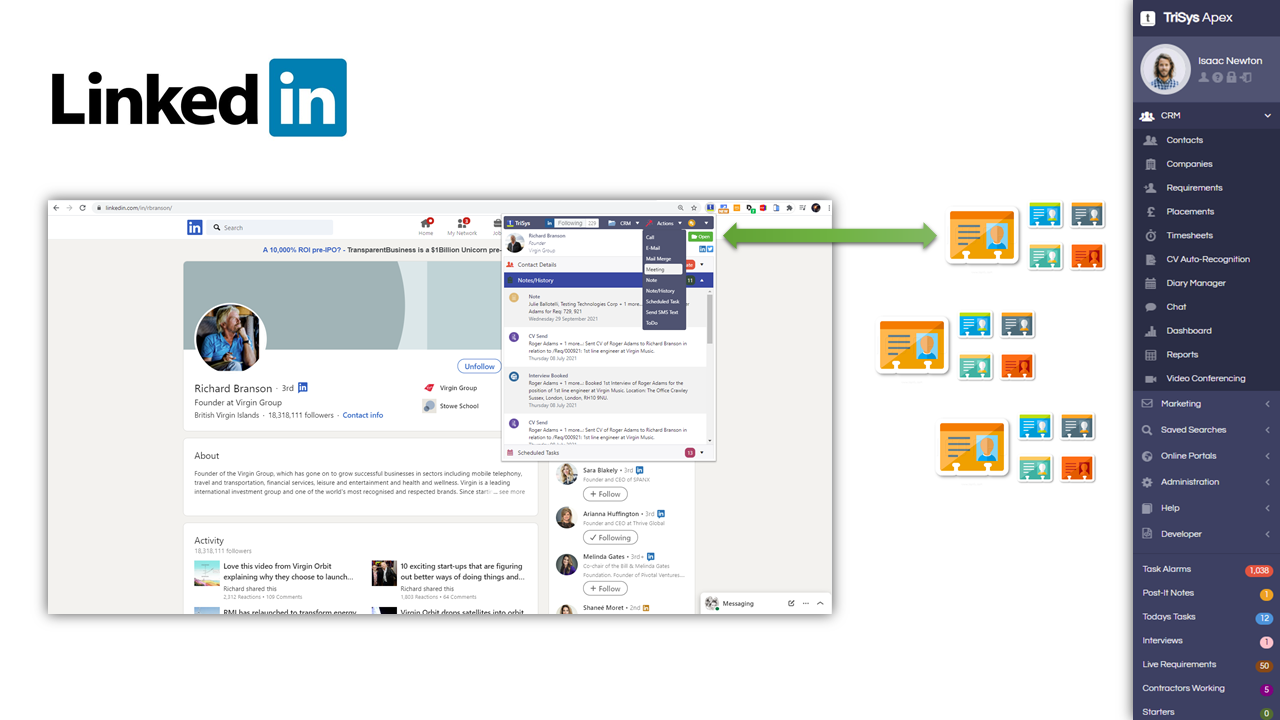
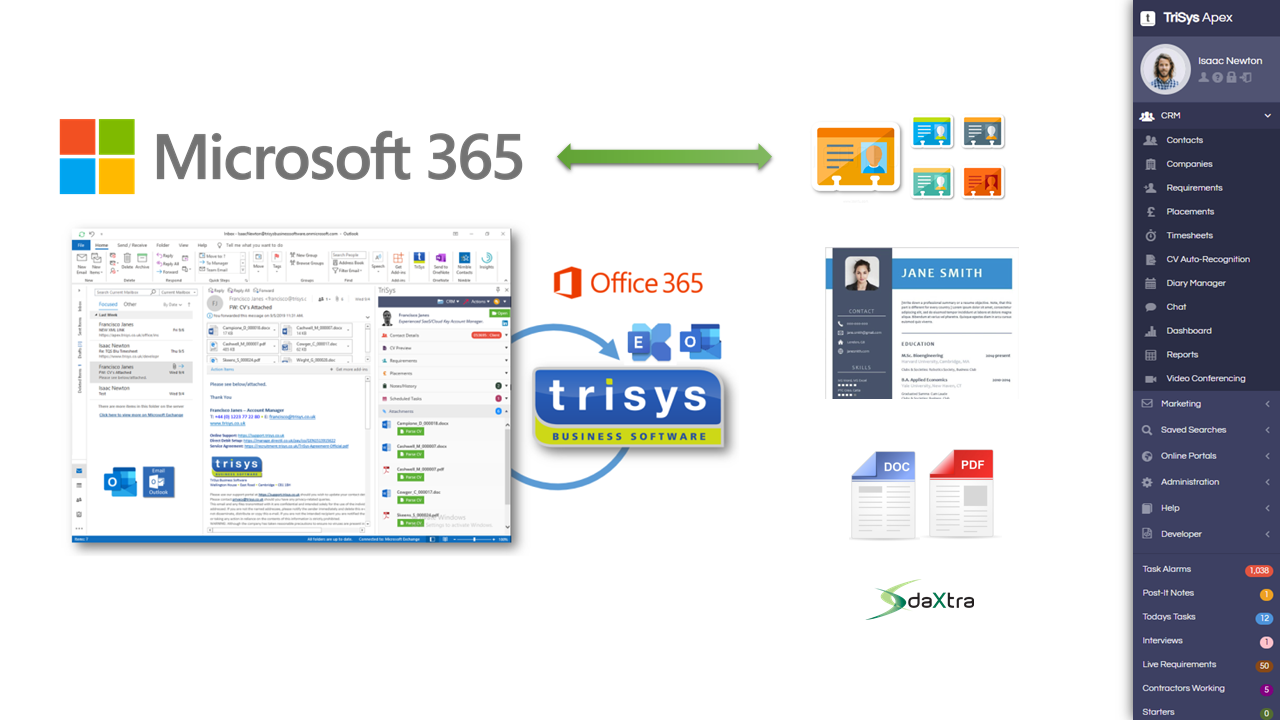
Integration with Other Systems: The ability to integrate seamlessly with other HR and recruitment tools is a vital feature of modern Recruitment CRMs. Whether it’s job boards, social media platforms, or HR management systems, integration ensures a cohesive and efficient workflow, reducing the need for manual data entry and mitigating the risk of errors.
Choosing the Best Recruitment CRM for your business
Given the multitude of options available in the market, choosing the best Recruitment CRM can be a daunting task. This is where Rectec Compare comes into play. Rectec Compare is a specialised comparison service designed to help recruitment agencies find the perfect CRM that aligns with their specific needs and goals.
Rectec Compare offers a comprehensive analysis of various Recruitment CRM systems, considering factors such as functionality, user experience, cost, and integration capabilities. By using Rectec Compare, agencies can make well-informed decisions based on detailed comparisons and expert insights, ensuring they invest in a CRM that will deliver maximum value and support their long-term objectives.
The Recruitment CRM market is rich with innovative solutions designed to meet the evolving needs of recruitment agencies. By staying abreast of market trends and utilising comparison services like Rectec Compare, agencies can navigate the complexities of the CRM landscape and select a system that will drive success and growth. As the industry continues to advance, the right Recruitment CRM will be a critical component in maintaining a competitive edge and achieving recruitment excellence.
To find out more about the choosing the right Recruitment CRM market, checkout our blog: Finding the perfect Recruitment CRM
Best Recruitment CRMs
Every recruitment business, including yours, is unique. Similarly, each Recruitment CRM on the market is distinct. With hundreds of options available, each offering a different range of features, expertise, and pricing. It’s crucial to consider these factors when choosing the best Recruitment CRM for your business.
To find the best Recruitment CRM, compare the CRM market with your specific requirements. Our free service, Rectec Compare, helps you do just that, with no strings attached. In less than 15 minutes, you’ll have a customised shortlist of the best CRMs, tailored to your needs. You won’t believe it until you try it! Simply, request access now by taking a moment to register.
You can also explore the Rectec Marketplace to browse leading Recruitment CRMs.
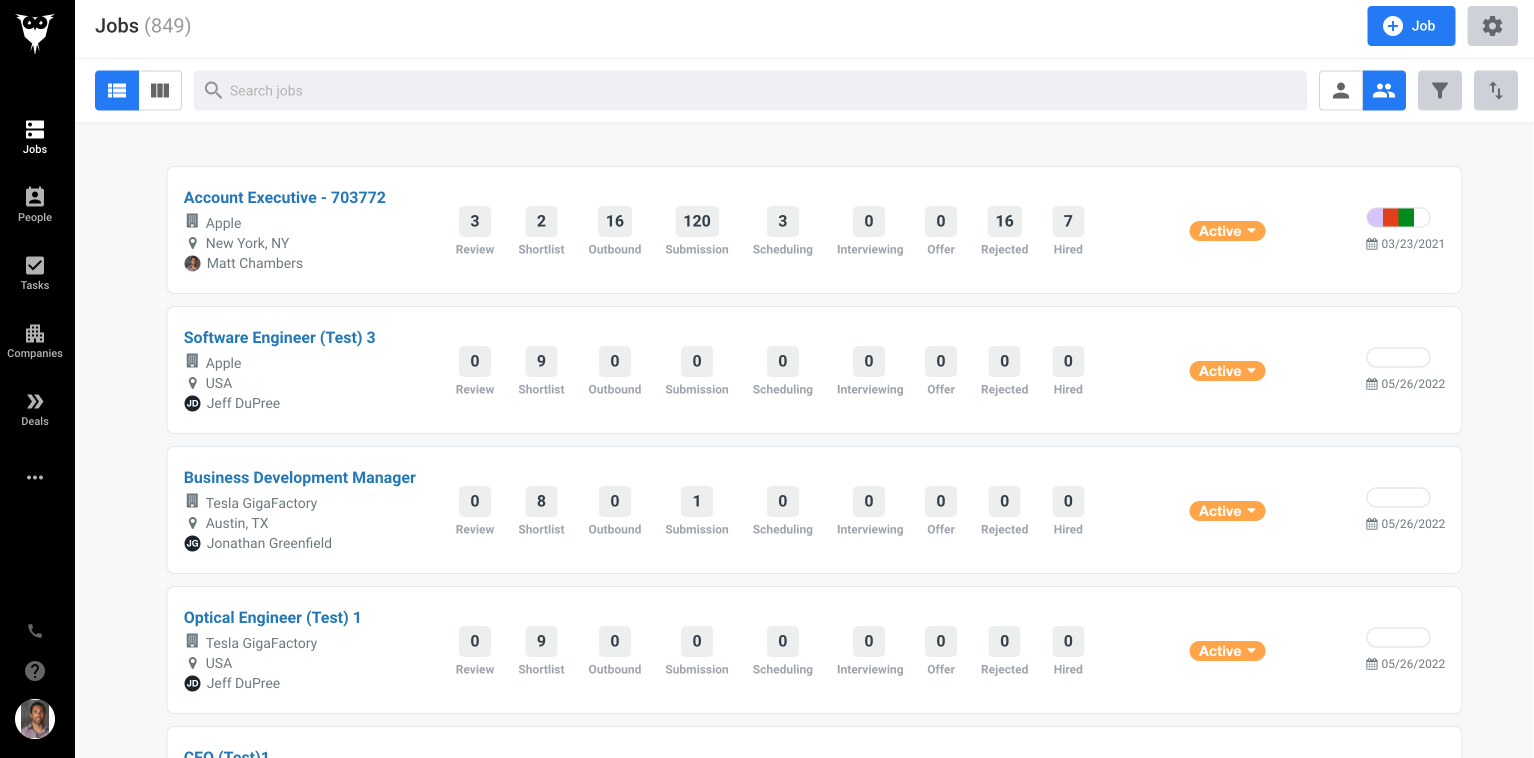
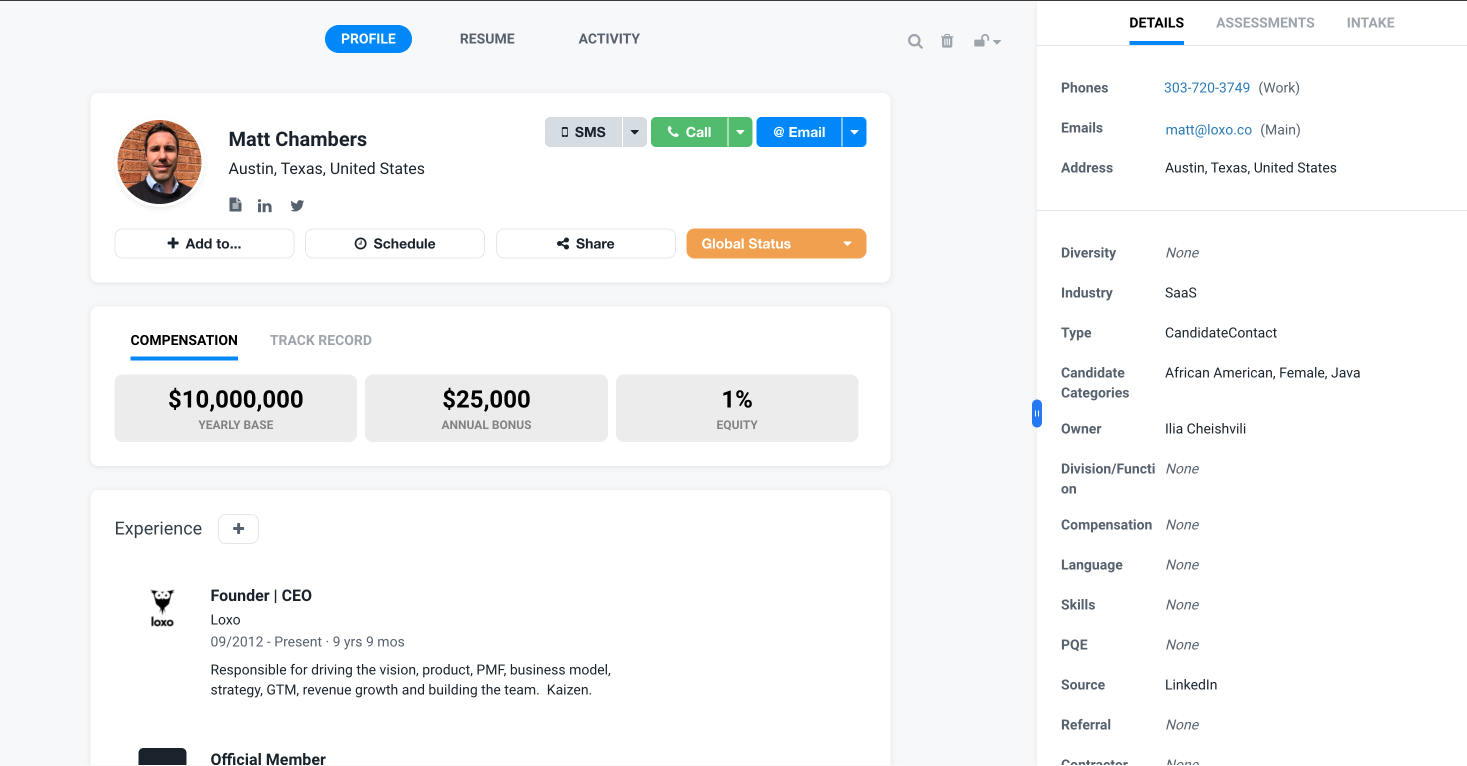
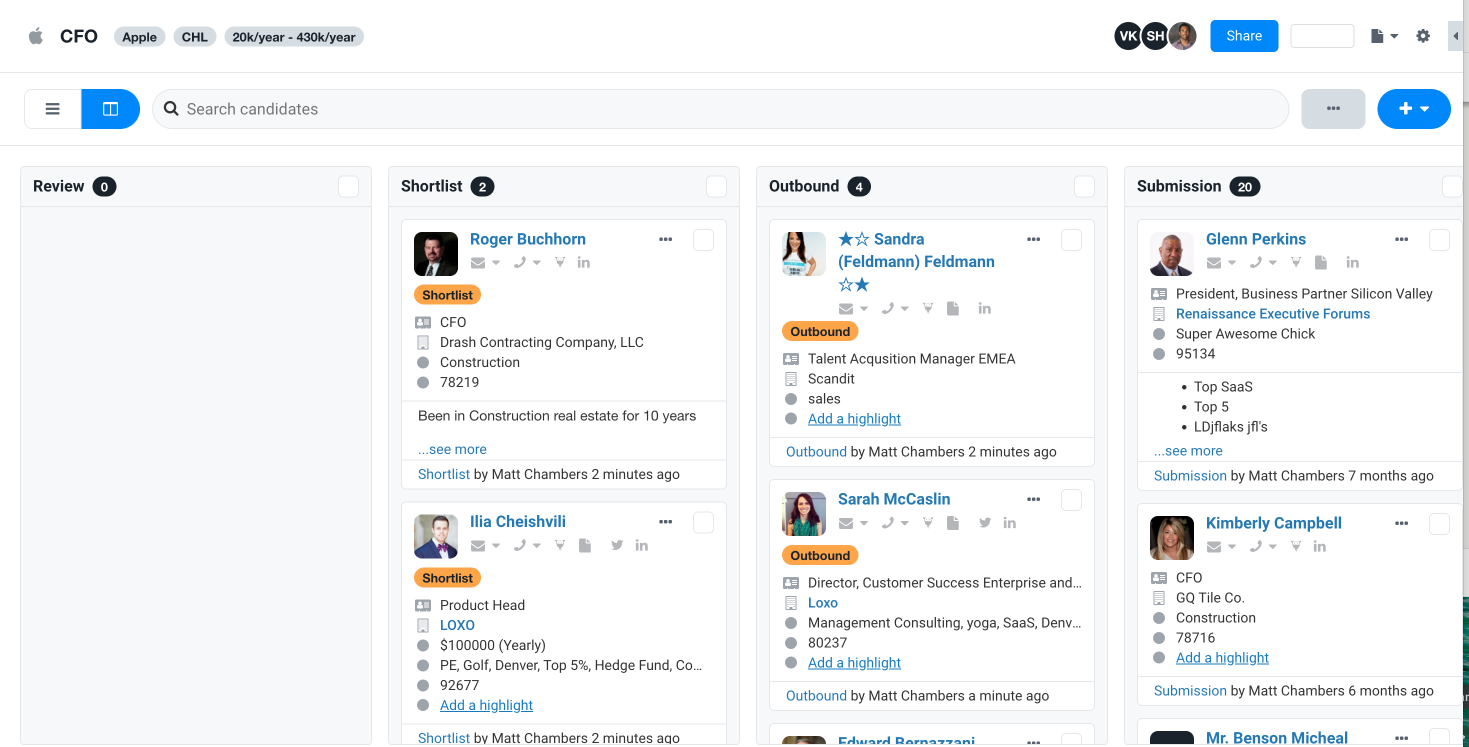
Please note; as a uniquely impartial service provider, the below vendors are listed in alphabetical order;
What are the Common Features of a Recruitment CRM?
Ever wondered what the key features of a top Recruitment CRM are?
We’ve highlighted 7 must-have elements of an effective Recruitment CRM that we believe can elevate any organisation’s hiring needs:
Automated job posting: This feature allows businesses to post jobs to a variety of job boards simultaneously. The efficiencies are legion – less time administering the posting of jobs to multiple job boards manually, more time focused on candidate management, and saved costs as a result.
Email marketing: A feature that lets businesses send out branded emails to potential candidates. Again, the efficiencies and personalisation of email marketing (both custom and automated) can garner increased applications, improve warm and cold candidate lead management, increase candidate interactions, and improve candidate expectations.
Applicant tracking: This feature allows businesses to literally track the progress of applications as they move through your recruiting funnel, creating a more “eyes-on” approach to individual and group application dynamics and application stage management.
Interview scheduling: Most Recruitment CRM solutions allow recruiters to schedule interviews with candidates. This can help agenices to reduce the back-and-forth of finding a time that works for everyone involved, reduce the frustrations with administering interview prep, and create a more transparent application process.
Candidate scoring: A feature that allows agencies to score potential candidates based on their qualifications and experience for the role – knowledge is power, after all, and an Recruitment CRM can help pre-vet candidates for roles through scoring tools.
Reporting & Analytics: The ability to track the performance of a recruiting process has slowly become an incredibly effective business improvement and change management tool. Accessing data via analytics can help businesses identify areas where they can improve their recruiting process, such as time-to-hire or cost-per-hire metrics.
Integration with other systems: Many Recruitment CRMs can be integrated with other systems, such as Video Interviewing, Assessment, Background Checking, Payroll or Timesheeting solutions. This can help businesses streamline recruiting processes and improve collaboration between different departments, teams, management strata and even client stakeholders.
What are the Benefits of a Recruitment CRM?
Many recruitment agencies utilise Recruitment CRMs to manage every stage of the hiring cycle. From sourcing candidates to scheduling interviews, a Recruitment CRM allows recruitment professionals to optimise their time and concentrate on candidates who best match job requirements.
A Recruitment CRM offers numerous benefits for your agency. In our blog, “How to use a CRM to create a world-beating candidate experience” we highlight 4 key advantages of using a Recruitment CRM:
Diligence vs Personality
Balancing diligence and relationship-building is crucial. Both can support each other when applied correctly, requiring experience, patience, and clear communication. Recruitment CRMs are not just about efficiency; they can create exceptional candidate experiences.
The Recruitment CRM Basics
Recruitment CRMs organise and automate tasks like job application imports and communication. Despite technological advances, these basics remain vital for improving communication and organisation, essential for a positive candidate experience.
The CRM of the Future
Future CRMs will leverage AI to enhance personalisation and automation. This integration will improve recruitment processes and the candidate experience by better utilising data.
Using a Recruitment CRM the Right Way
When using a recruitment CRM, consider if it tracks candidate interactions effectively, supports onboarding, and allows focus on long-term trends. These aspects ensure the CRM enhances rather than detracts from the candidate experience.
You can use Rectec Compare to reliase the benefits of a Recruitment CRM, or explore the Rectec Marketplace to discover top Recruitment CRMs available for recruitment agencies.
Why We Need Recruitment CRMs
In today’s competitive recruitment landscape, having the right tools is essential for success. A Recruitment CRM is one such tool that can revolutionise the way recruitment agencies operate. Here’s why:
Enhanced Organisation and Efficiency A Recruitment CRM centralises all candidate and client information, making it easily accessible and manageable. This streamlines processes such as tracking applications, scheduling interviews, and managing communications, allowing recruiters to work more efficiently and focus on what matters most – building relationships!
Improved Candidate Experience With a Recruitment CRM, agencies can provide a seamless and professional experience for candidates. Automated communication ensures timely updates, and personalisation features make interactions more meaningful. This not only improves candidate satisfaction but also enhances the agency’s reputation.
Data-Driven Decisions Recruitment CRMs provide valuable insights through advanced analytics and reporting features. Agencies can track key metrics, identify trends, and make informed decisions to improve their recruitment strategies. This data-driven approach leads to better hiring outcomes and maximises ROI.
Scalability and Flexibility As agencies grow, their recruitment needs evolve. A Recruitment CRM offers scalability, allowing agencies to easily adapt to increasing volumes of candidates and clients. Its flexibility supports various recruitment processes, making it a versatile solution for agencies of all sizes.
Enhanced Collaboration Recruitment is a team effort, and a CRM facilitates better collaboration among team members. Shared access to candidate profiles, notes, and communication logs ensures everyone is on the same page, leading to more coordinated and effective recruitment efforts.
In summary, a Recruitment CRM is an indispensable tool for recruitment agencies, offering enhanced organisation, improved candidate experience, data-driven insights, scalability, and better team collaboration. Investing in a Recruitment CRM can significantly elevate an agency’s efficiency and success in the competitive recruitment market.
Challenges With Recruitment CRMs
Implementing a Recruitment CRM can be transformative, but it comes with its challenges. Here are some key issues recruitment agencies may face:
Complexity and Training Recruitment CRMs can be complex systems requiring substantial training. Ensuring all team members are proficient can be time-consuming and costly.
Data Migration Migrating existing data to a new CRM can be a daunting task, often fraught with potential for data loss or corruption.
Customisation and Integration Every agency has unique needs. Customising the CRM and integrating it with existing tools and processes can be challenging and may require technical expertise.
Cost The initial investment and ongoing costs of a Recruitment CRM can be significant, which might be a barrier for smaller agencies.
User Adoption Gaining full buy-in from the team is crucial. Resistance to change can hinder the effective use of the CRM, reducing its potential benefits.
In summary, while Recruitment CRMs offer numerous benefits, agencies must be prepared to address these challenges to fully leverage the system’s capabilities.
Who Should Use a Recruitment CRM?
A Recruitment CRM is a vital tool for various users within a recruitment agency, each benefiting from its features:
Recruiters Primary users who manage candidate sourcing, communication, and placement. The CRM helps streamline their workflow, track applications, and enhance candidate interactions.
Hiring Managers They collaborate with recruiters, review shortlisted candidates, and provide feedback. The CRM ensures they have easy access to candidate data and progress.
HR Teams HR professionals use the CRM for onboarding, compliance, and maintaining employee records, ensuring a smooth transition from candidate to employee.
Sales Teams Responsible for client relationships, sales teams use the CRM to track client interactions, manage job orders, and monitor account health.
Administrative Staff They support the recruitment process by managing schedules, documentation, and data entry, all facilitated by the CRM’s organisational capabilities.
In summary, a Recruitment CRM serves multiple roles within an agency, enhancing collaboration, efficiency, and overall recruitment effectiveness.
How To Compare Recruitment CRMs
At Rectec, we excel in providing a genuine value-add service for recruitment agencies looking for the perfect Recruitment CRM for their business.
Through our unique platform, Rectec Compare, we assist recruitment leaders worldwide in procuring and implementing the right recruitment technology for their business needs.
Rectec Compare is tailored for staffing agencies aiming to find the best Recruitment CRM. Registration is quick and easy. Our advanced matching algorithm assesses your specific requirements and cross-references them against a vast database of verified vendor information, delivering a customised shortlist of top Recruitment CRM providers in a flash.
Free and Impartial Service Rectec Compare is completely impartial and free to use. It’s the most effective way to compare Recruitment CRMs, offering several key benefits:
Identification
Finding the right Recruitment CRM can be challenging. Rectec Compare simplifies this by helping you identify the best technology within minutes, compared to the lengthy manual process.
Connection and Choice
We connect you with the most relevant CRM providers, ensuring a more personalised and effective relationship with the recruitment tech community.
Time and Cost Savings
Rectec Compare condenses the time-consuming process of searching and shortlisting tech providers into a quick, efficient tool that takes less than 15 minutes to use.
Risk Mitigation
Choosing the wrong CRM can have significant consequences. Using Rectec Compare greatly reduces this risk by ensuring you select the right solution for your agency.
Register to use Rectec Compare today and transform your recruitment process with the perfect Recruitment CRM.
How to Buy a Recruitment CRM
Before buying a Recruitment CRM, it’s essential for recruitment agencies to follow a strategic approach:
Requirement Analysis Understand your exact requirements and why a Recruitment CRM will improve your processes. Identify areas needing improvement to make your CRM selection more focused and effective.
Supplier Shortlisting Use Rectec Compare to shortlist CRM providers based on your specific needs. This saves time and ensures recommendations are relevant to your business.
Vendor Evaluation Ensure consistent evaluations by involving key stakeholders in demos and maintaining a checklist of your requirements. Rectec Compare offers a comprehensive evaluation tool to simplify this process.
Multiple Demos Attend several demos (at least 4-5) to make an informed decision and ensure confidence in your choice, which is crucial for successful implementation.
By following these steps, recruitment agencies can effectively choose the right Recruitment CRM, enhancing their hiring processes and outcomes.
What do Recruitment CRMs Cost?
Recruitment CRM providers offer unique platforms with varied pricing structures. Here are the common pricing models:
Freemium: Offers limited free access to basic features, encouraging payment for full functionality.
Pay per User: Charges based on the number of user licenses required.
Pay per Feature: Charges based on specific features needed, ideal for modular systems with add-ons like video interviewing tools.
Flat Fee: A fixed cost for using the CRM, typically under a contract of 12-36 months, with longer terms often offering better deals.
These flexible pricing models cater to different business sizes and needs. However, understanding ROI can be complex. Rectec’s Consulting Services help simplify this process by offering tailored assistance in requirements analysis, vendor selection, project management, implementation consulting, and user training, ensuring cost-effectiveness and maximised ROI.
Which Recruitment CRM Should I Choose?
Choose your CRM wisely!
Selecting the right recruitment CRM can be a daunting task, especially with the myriad of options available in today’s market. A well-chosen CRM can transform your recruitment process, making it more efficient and effective. At Rectec, we understand the critical importance of this decision and aim to guide you through it with our expert insights.
When choosing a recruitment CRM, there are several key factors to consider. First and foremost, assess your specific needs. Are you a small agency looking for simplicity and ease of use, or a larger organisation needing robust features and customisation? Understanding your requirements will help narrow down the choices.
Another vital consideration is integration. Your CRM should seamlessly integrate with your existing systems, whether it’s your email, calendar, or other recruitment tools. This ensures a smooth workflow and avoids the hassle of manual data entry, saving you valuable time.
User experience is also paramount. A user-friendly interface can significantly enhance your team’s productivity. Look for a CRM that offers intuitive navigation and a clean, logical layout. The ability to customise dashboards and reports to suit individual preferences is a bonus.
Furthermore, pay attention to the CRM’s scalability. Your business will evolve, and your CRM should be able to grow with you. Opt for a system that can accommodate an expanding database and additional features as your needs change over time.
Customer support is often overlooked but is crucial for a seamless experience. A responsive and knowledgeable support team can make all the difference when encountering issues or needing guidance. Check the support options available and read reviews to gauge the level of service provided.
Lastly, consider the cost. While it’s essential to stay within budget, don’t compromise on key features that are critical for your operations. Many CRMs offer tiered pricing, so you can start with a basic package and upgrade as your needs grow.
At Rectec, we’ve reviewed countless recruitment CRMs and can provide personalised recommendations based on your unique needs. Our goal is to ensure you find the perfect CRM to streamline your recruitment process and support your business growth. Choose wisely, and you’ll reap the benefits of a more organised, efficient, and successful recruitment strategy.
How to Implement a Recruitment CRM
Implementing a new Recruitment CRM can be a highly intricate process, involving multiple stakeholders, integrations, and training phases. The complexity varies based on the organisation’s size, its specific needs, and the capabilities of the CRM vendor.
As with any recruitment technology solution, understanding the buying process and identifying where implementation will have the most significant impact is crucial for allocating resources effectively and ensuring a smooth implementation. The typical implementation process involves several key stages:
Identification of Project Resources: Assigning ultimate responsibility for the project is essential. The Project Lead works closely with internal and external stakeholders to manage the project plan, coordinate phases such as requirements analysis, solution design, system configuration, testing, training, and deployment.
Evaluation of Current-State Processes and Implementation Strategy: This phase involves assessing existing hiring processes to pinpoint pain points and define the desired future state. It focuses on identifying how implementation can optimise workflows and achieve desired improvements.
Requirements Analysis: This phase is critical as it defines what the CRM implementation must deliver to meet business needs. It builds on pre-contract requirements analysis to ensure accurate mapping of current-state processes, consideration of vendor capabilities, and creation of future-state process maps.
System Configuration: Configuring the CRM to align with business requirements involves utilising available configuration options. Some configurations may require technical expertise from the solution provider, especially when integrating with other systems via APIs.
Testing and Training: Rigorous testing ensures the CRM functions as intended. Training sessions prepare stakeholders, including the implementation team and project lead, to effectively use the CRM and troubleshoot issues during implementation.
Migration: Transferring legacy data to the new CRM system ensures continuity of service for candidates and clients with minimal disruption. Key stakeholders are involved to oversee the process and ensure data integrity.
Deployment: Known as the Go-Live phase, deployment marks the operational launch of the Recruitment CRM across the organisation. Deployment strategies, whether single deployment or phased rollout, depend on business size and solution complexity.
By following a structured implementation approach and leveraging thorough requirements analysis, organisations can maximise the benefits of their Recruitment CRM, streamline operations, and enhance recruitment outcomes effectively.
For more information on Recruitment CRM implementation, check out our article: What are the main challenges when it comes to Recruitment CRM implementation?












.png "Best Recruitment CRMs 2026 Rectec")

.png "Best Recruitment CRMs 2026 Rectec")